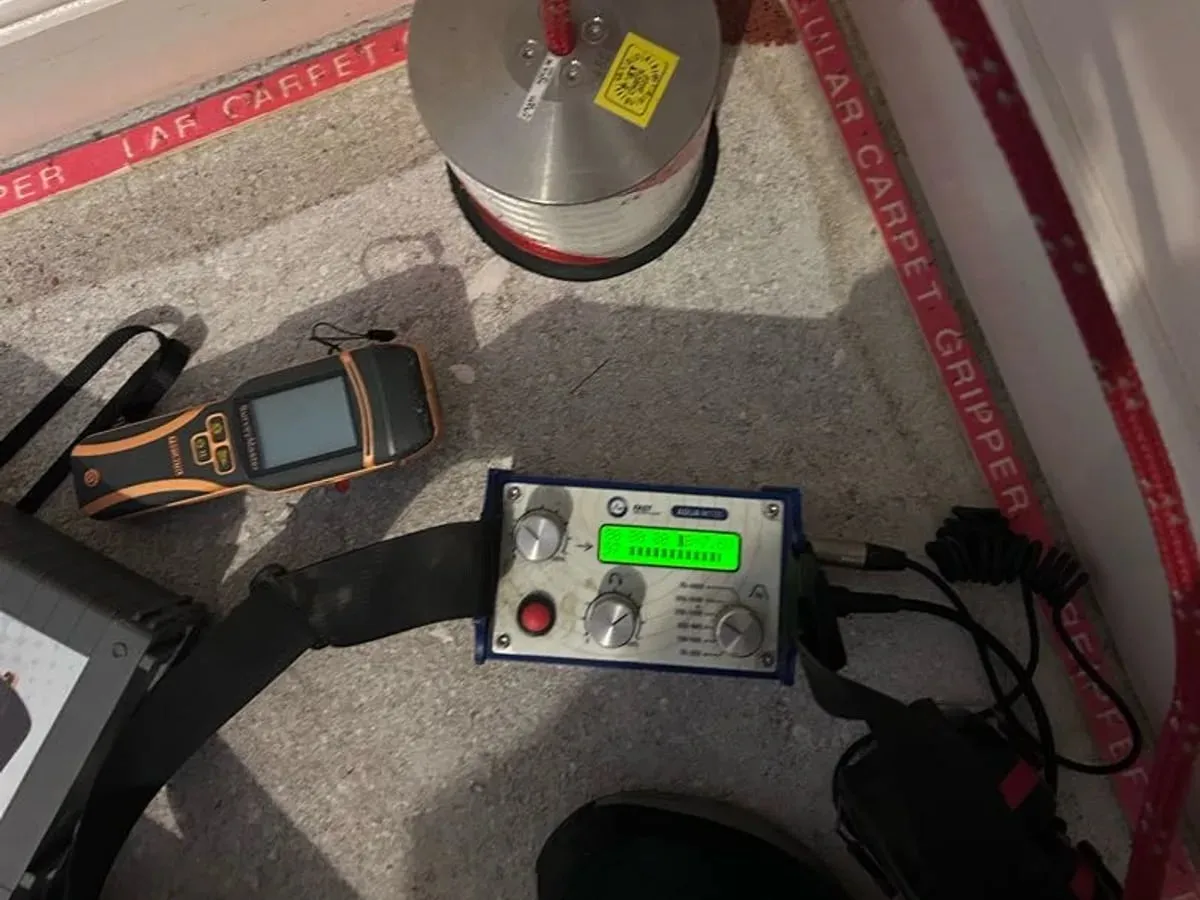
If water or air is being forced out of a pipe, the leak usually makes a noise that a trained engineer with the right microphone can follow. What changes from one leak to the next is how far that noise carries, and that depends on the pipe, the pressure and what it is buried in.
Water supply pipe leaks under drives, paths and lawns
The pipe that brings mains water from the meter or boundary into your house is the classic acoustic job. It is under mains pressure all the time, it often runs several metres under block paving, tarmac, concrete or a lawn, and digging the whole route to look for the leak would be slow and expensive.
The usual clue is a meter that keeps turning with every tap off, a water bill that jumps, a wet patch in the garden that never dries, or low pressure at the taps. Older lead and iron supply pipes carry the hiss well. Blue MDPE plastic pipe is quieter, so the engineer listens at shorter intervals and often confirms with tracer gas.
Leaks on water pipes under concrete and tiled floors
Copper pipes buried in a concrete or screed floor are a common source of hidden leaks, particularly in kitchens and cloakrooms and on the hot feed to bathrooms. Signs include a damp patch spreading across a floor, warm spots on tiles, a hot water cylinder that goes cold quickly, or the sound of running water when nothing is on.
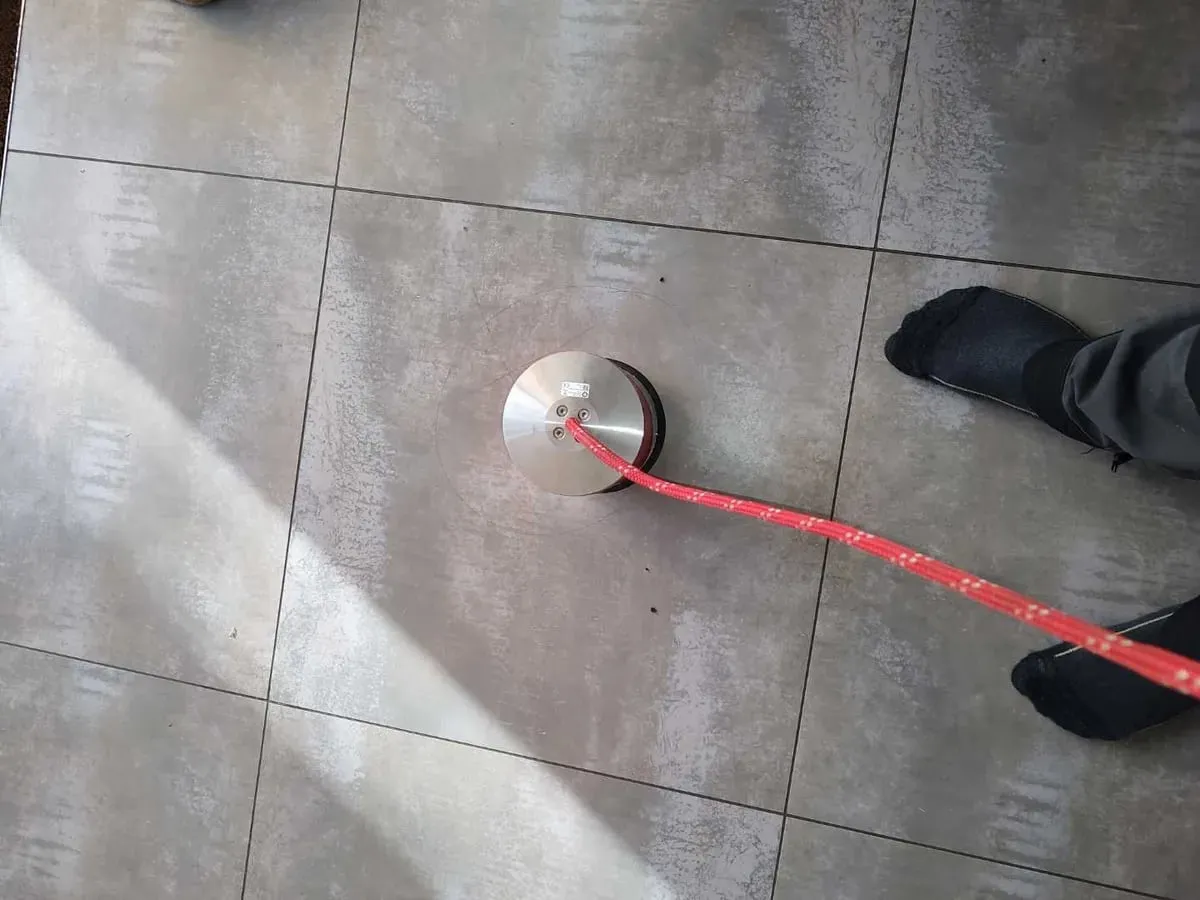
Solid floors carry sound well, so a ground microphone placed on the tiles or screed can often narrow the leak to a small area. Often that means only one or two tiles are lifted instead of the whole floor.
Central heating leaks and pressure loss
A heating system that keeps losing pressure, so the boiler needs topping up every few days, is losing water somewhere. Radiator valves, the boiler, its pressure relief pipe and the expansion vessel are checked first. If they are all sound, the pipework buried in floors and boxed into walls is surveyed.
The system has to be under pressure for the leak to be heard, so the engineer may fill it to working pressure, or drain it and put air in, before listening. Copper heating pipe carries the sound well, and several of the reviews on this site describe engineers pinpointing a heating leak under tiles or concrete this way.
Underfloor heating leaks
Most underfloor heating pipe is plastic and laid in loops, which makes listening harder. The sound is quieter, and because the loops run close together a leak can seem to come from the wrong length of pipe. Engineers often pressurise the loops with air and listen for the escape, and use thermal imaging with the heating running to see the warm plume a leak leaves in the screed.
Swimming pool leaks
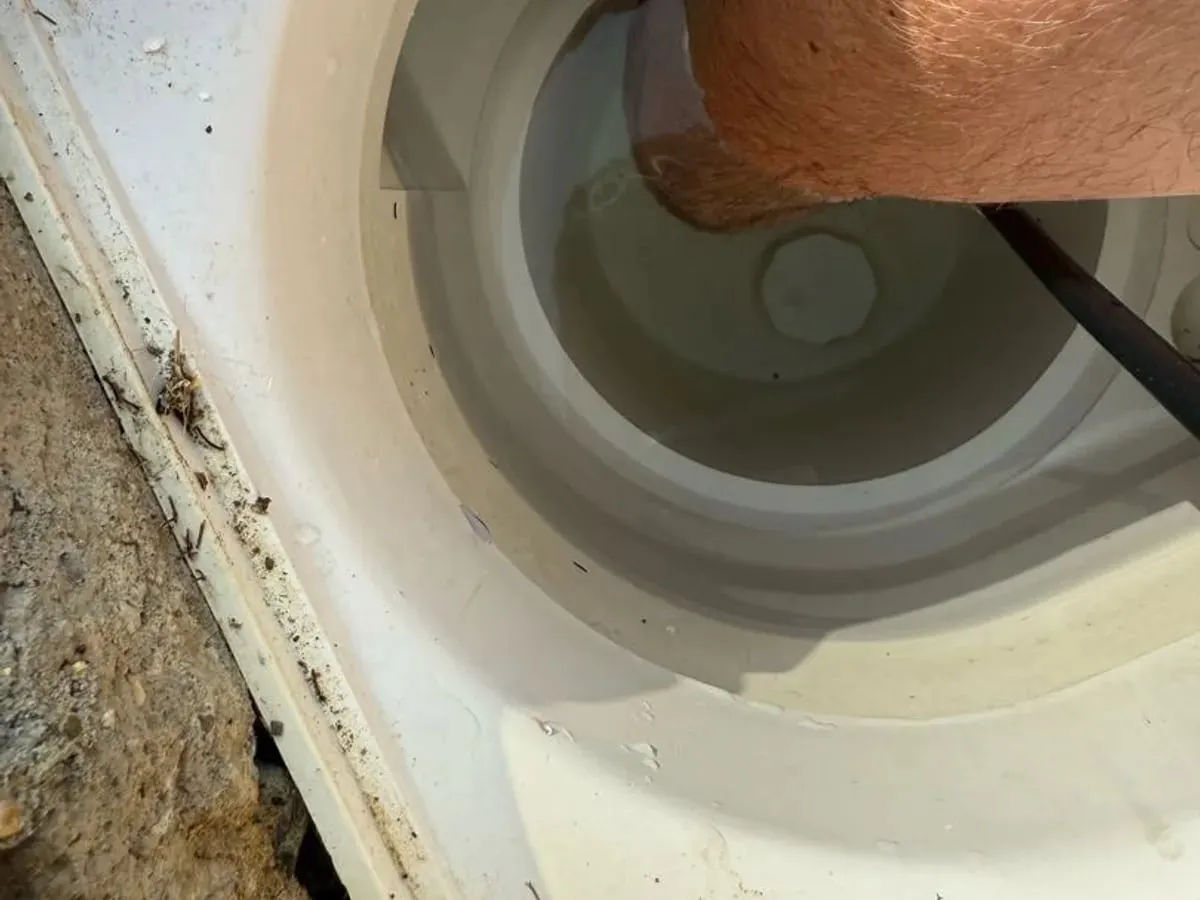
Pools lose water through cracks in skimmers and returns and through leaks on the buried pipes between the pool and the plant room. A hydrophone lowered into the water listens at skimmer pots and fittings, and ground microphones cover the pipe runs around the pool. Dye and pressure tests on each line confirm what the listening suggests.
Leaks acoustic detection is not suited to
- Drains, waste pipes and gutters. They are not under pressure, so water leaves them quietly. A drain survey camera suits them better.
- Roof and rainwater leaks. These are about water getting in from outside, so moisture mapping and thermal imaging are the tools.
- Very slow weeps. A tiny leak may make too little noise to follow. Tracer gas finds these well.
- Leaks in very noisy places. Next to a busy road or a running pump, the engineer may need to listen at a quieter time of day or switch to another method.
If you are not sure which kind of leak you have, that is exactly what the office can help with on the phone.